


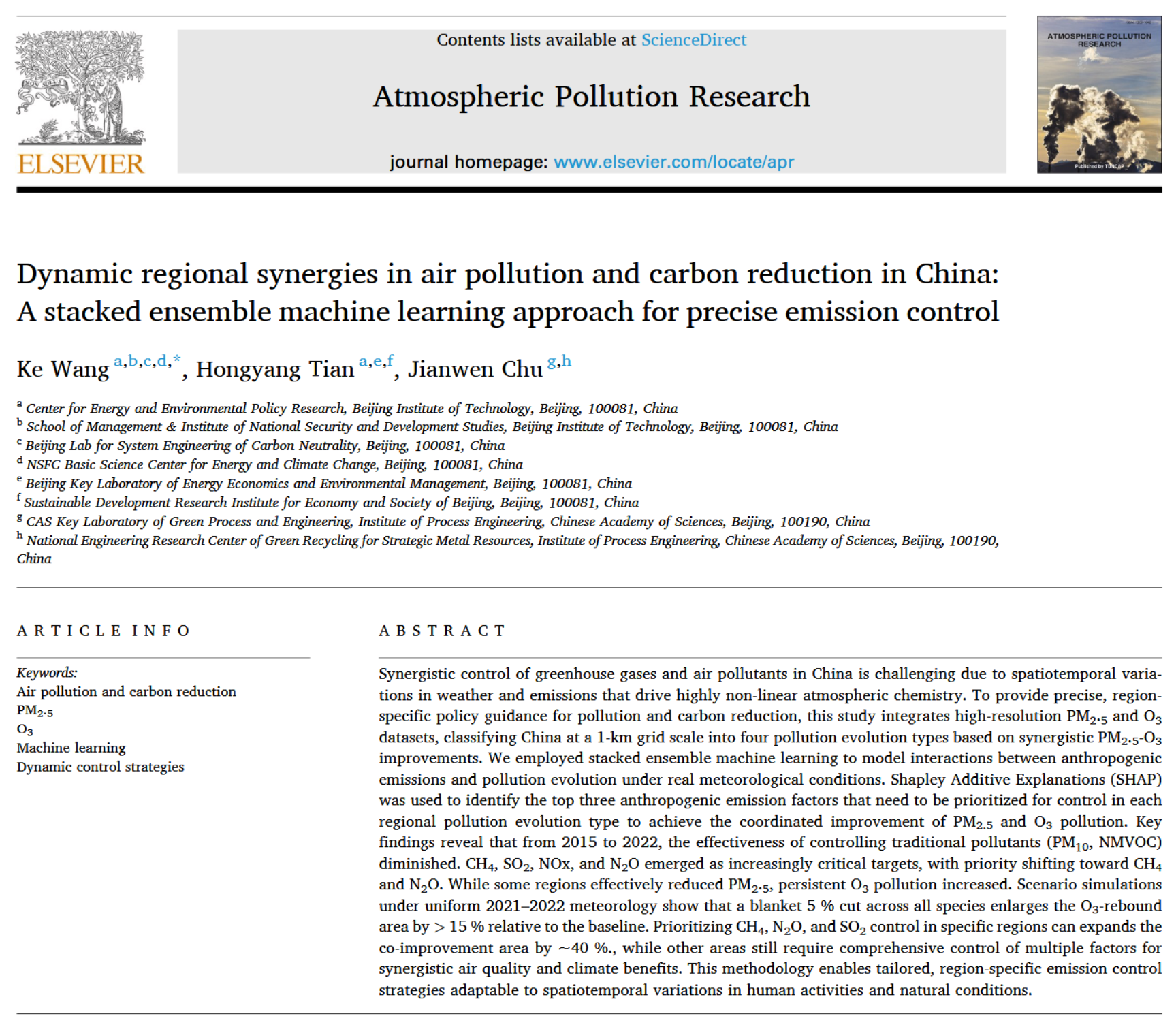
The research achievement entitled Dynamic Regional Synergies in Air Pollution and Carbon Reduction in China: A Stacked Ensemble Machine Learning Approach for Precise Emission Control, completed by PhD candidate Tian Hongyang under the supervision of Professor Wang Ke, was published online in January 2026 in Atmospheric Pollution Research, a leading international journal in the fields of atmospheric science and environmental monitoring. The study points out that as China’s air pollution control advances into an in‑depth stage, the marginal emission‑reduction effects of conventional pollutants are gradually diminishing. Meanwhile, highly nonlinear chemical reactions driven by the interactions between meteorological conditions and anthropogenic emissions pose great challenges to accurately identifying regional pollution driving mechanisms and formulating effective emission mitigation pathways. Therefore, advanced methods such as machine learning are urgently required to precisely identify and attribute pollution driving factors under complex meteorological backgrounds, providing a scientific basis for formulating differentiated, precise and dynamic pollution control strategies.
Abstract
As the world’s largest developing country, China faces the dual challenges of improving air quality and reducing greenhouse gas emissions. Based on high‑spatial‑resolution (1 km) PM2.5 and ozone (O3) datasets covering China from 2015 to 2022, this study classifies China’s pollution evolution into four types: coordinated pollution deterioration, ozone pollution deterioration, PM2.5 pollution deterioration, and coordinated pollution improvement. A stacked ensemble machine learning model is adopted to simulate the complex nonlinear relationship between anthropogenic emissions and pollution evolution under real meteorological conditions.
The results show that China has achieved remarkable progress in PM2.5 mitigation over recent years, while ozone pollution remains persistent and has even rebounded in some regions. Using the SHapley Additive exPlanations (SHAP) method, this study identifies the top three priority emission control factors required to achieve coordinated improvement in each region. Scenario simulations confirm that compared with one‑size‑fits‑all emission reduction strategies, targeted priority control of key regional driving factors (such as methane, nitrous oxide and sulfur dioxide) can expand the national area of coordinated environmental improvement by approximately 40%.
Research Background
Although China has launched multiple phases of Clean Air Action Plans, the collaborative control of greenhouse gases and air pollutants still faces prominent challenges. The core difficulty lies in the complex atmospheric chemical reactions driven by the interplay between meteorological conditions and emission factors. Traditional chemical transport models are constrained by limited computational resources when coping with high‑resolution and near‑real‑time dynamic policy adjustments. Furthermore, simplistic emission reduction measures may trigger ozone rebound effects. Specifically, in regions where volatile organic compounds (VOCs) dominate pollution formation, the reduction of nitrogen oxides (NOx) may instead lead to increased ozone concentrations. Accordingly, quantifying the contributions of various emission factors to pollution evolution using big data and artificial intelligence algorithms is critical for formulating differentiated collaborative governance pathways.
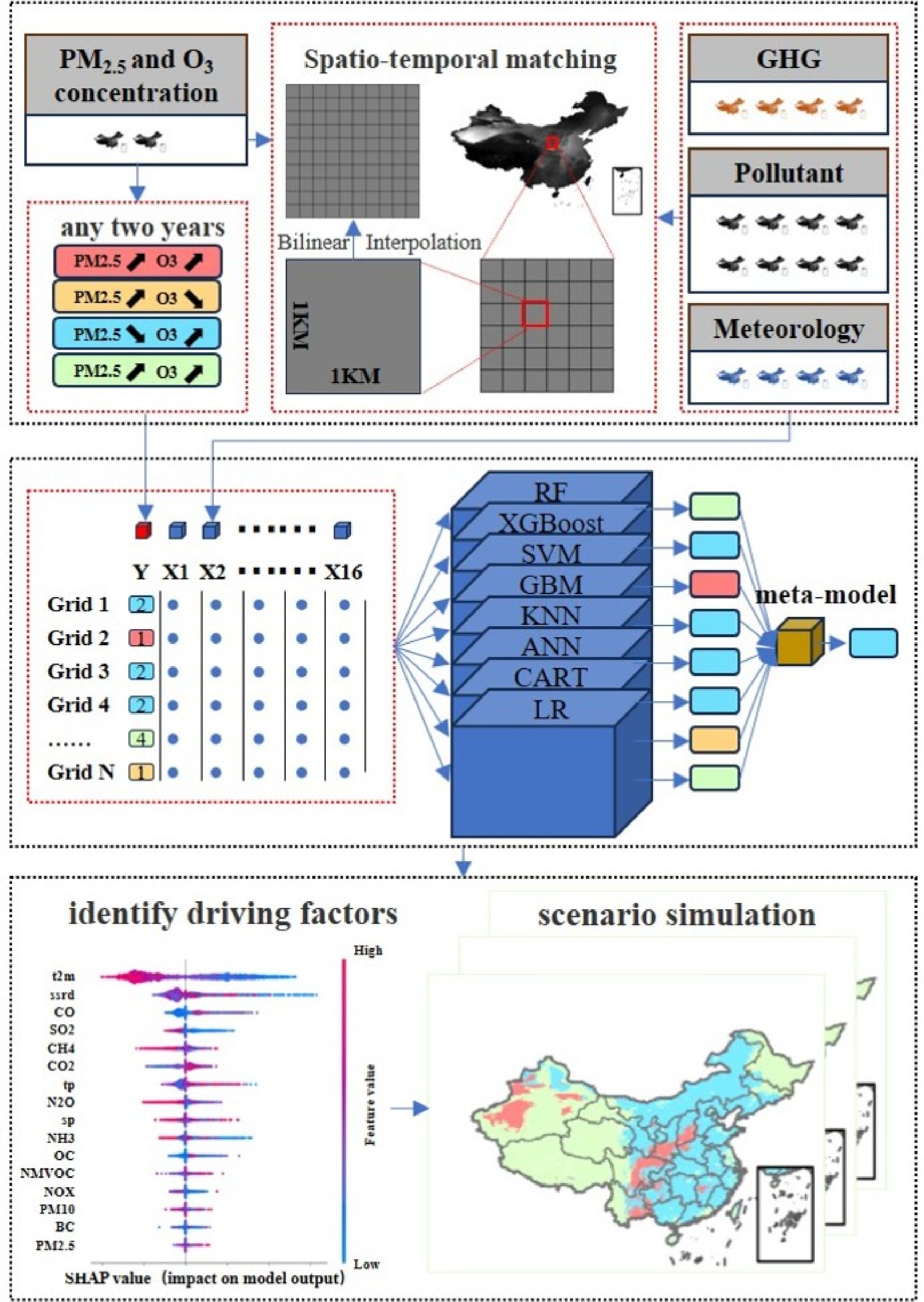
Figure 1 Framework for the collaborative analysis of air pollution control and carbon reduction based on stacked ensemble machine learning
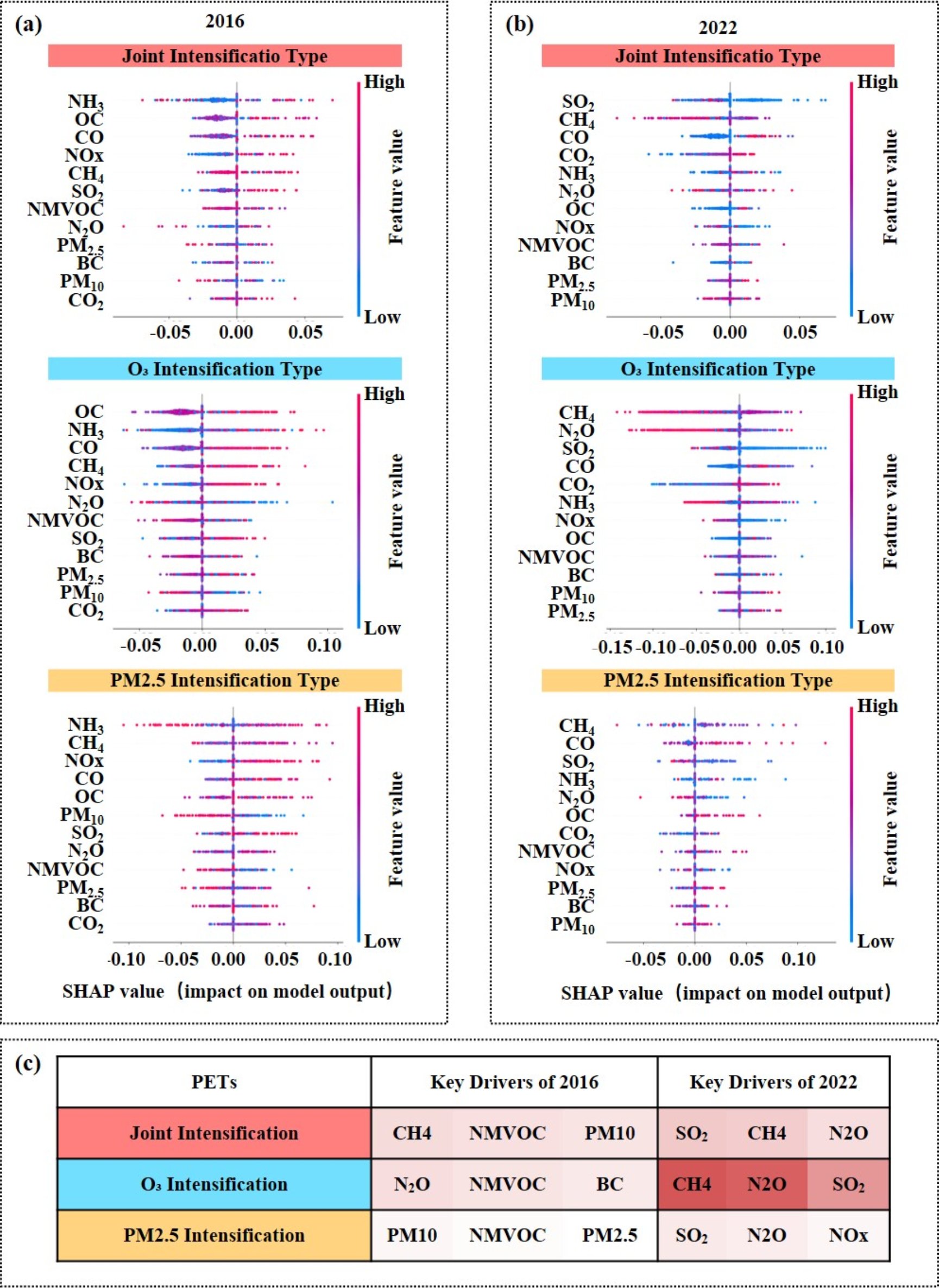
Figure 2 Analysis of feature importance and impact directions
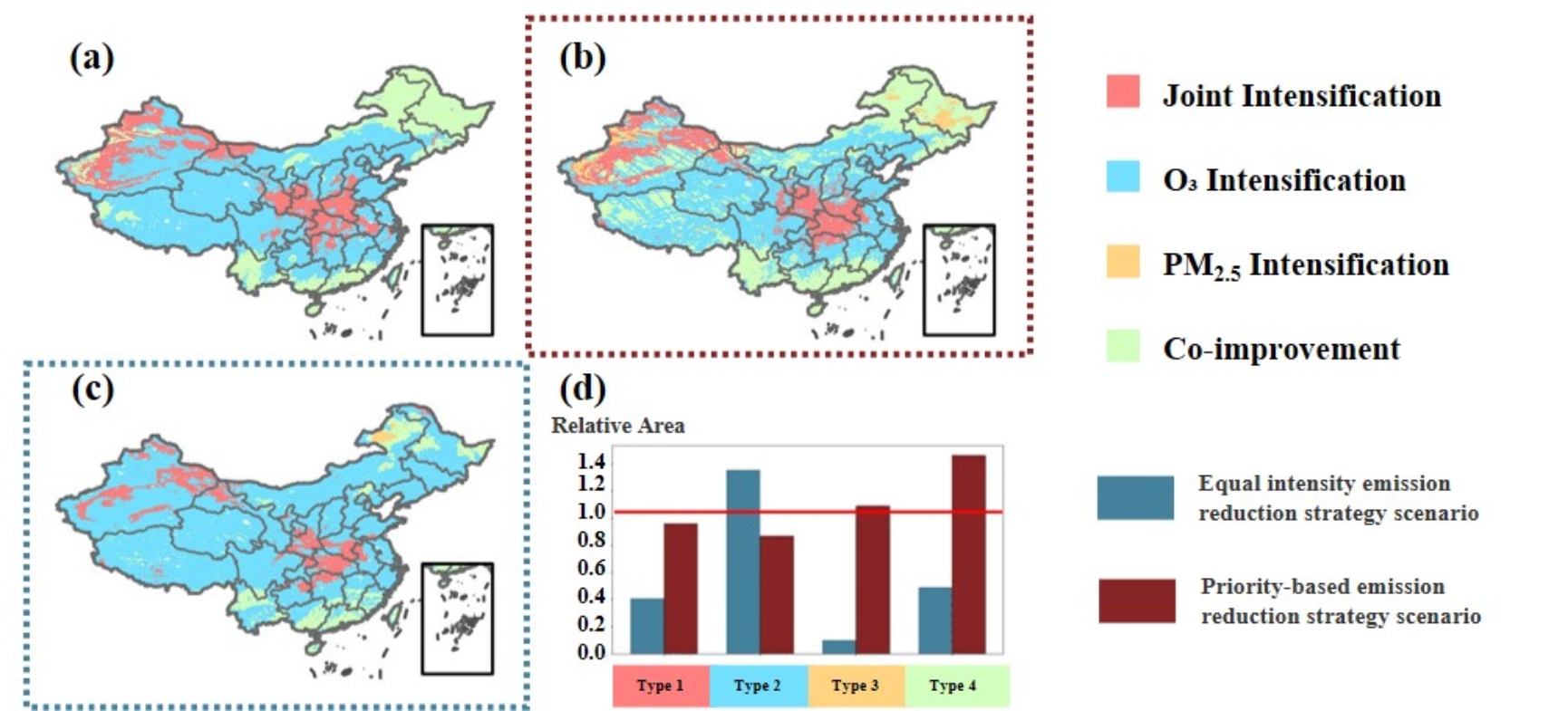
Figure 3 SHAP‑based ranking of emission factor importance and simulation of synergistic effects under different emission reduction scenarios
Result Analysis
Based on annual datasets from 2015 to 2022, this study constructs a high‑performance prediction framework integrating multiple machine learning base learners (including Random Forest, XGBoost, and SVM), achieving a classification accuracy of 92.63%. The key findings are summarized as follows:
(1) Priority emission control factors have shifted across most regions of China. From 2015 to 2022, the marginal mitigation benefits of conventional pollutants such as PM10 and NMVOCs have declined, while CH4, SO2, NOx and N2O have become core factors affecting pollution evolution. In particular, the greenhouse gases CH4 and N2O are playing an increasingly critical role.
(2) The model clearly characterizes pollution features of different urban agglomerations in China. Regions with distinct pollution evolution patterns exhibit divergent driving factors. For instance, regions with worsening ozone pollution require precise regulation of the proportional balance between VOCs and NOx. In traffic‑intensive areas, emissions of various pollutants remain on the rise, necessitating comprehensive enhancement of source control.
(3) Targeted precise control delivers significant synergistic benefits. Simulations indicate that a uniform 5% national emission reduction policy may expand ozone rebound areas by more than 15%. In contrast, precise emission reduction implemented according to the SHAP‑identified priority framework can substantially improve the overall efficiency of collaborative pollution and carbon governance.
Policy Implications
(1) Based on the four categorized pollution evolution types proposed in this study, provincial and municipal authorities should formulate dynamic city‑specific control lists to accurately identify local key emission sources.
(2) In the implementation of national carbon peaking and carbon neutrality pathways, greater importance should be attached to the control of CH4 and N2O. Leveraging their significant co‑benefits for atmospheric environmental improvement can achieve win‑win outcomes for carbon mitigation and air pollution control.
(3) Environmental authorities may adopt the stacked ensemble model developed in this study and combine medium‑ and long‑term meteorological forecasts to dynamically adjust emission reduction priorities for industrial and transportation sectors, so as to adapt to complex and variable weather conditions.
Reference
Citation: Wang, K., Tian, H., & Chu, J. (2026). Dynamic Regional Synergies in Air Pollution and Carbon Reduction in China: A Stacked Ensemble Machine Learning Approach for Precise Emission Control. Atmospheric Pollution Research, 102924. https://doi.org/10.1016/j.apr.2026.102924
